TTW

As Bali prepares to face the annual Eid al-Fitr holiday season in 2026, the Tourism Department has conducted an extensive inspection of major tourist spots around the island. In a recent press release, Deputy Minister of Tourism Ni Luh Puspa stated that the inspection was conducted to ensure tourist security as well as the island’s preparedness to receive a surge of domestic tourists, especially those traveling for religious tourism and spiritual pilgrimages during the peak holiday season. Bali is a culturally and spiritually rich island that attracts numerous tourists, both spiritual and leisure travelers.
Strengthening Infrastructure to Accommodate Religious and Leisure Tourists
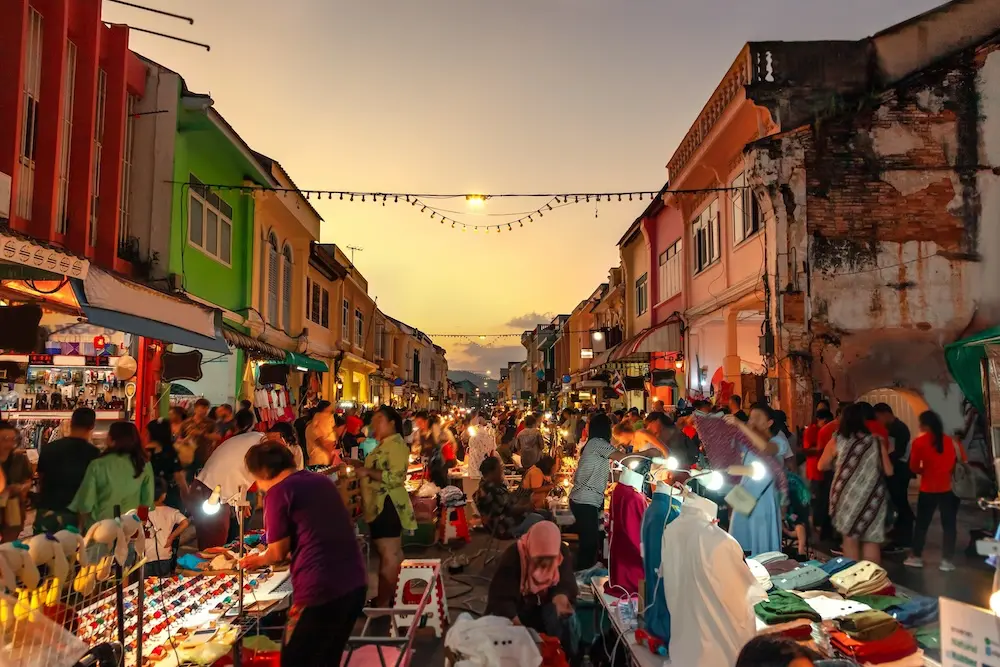
The Eid al-Fitr holiday is one of the busiest times for domestic tourism in Indonesia, and Bali is expecting a surge in visitors, many of whom will be coming for religious tourism. The island is home to numerous temples, sacred sites, and spiritual retreats, making it an essential destination for those seeking a spiritual experience. As such, ensuring tourist safety and maintaining the quality of services during this peak period is of utmost importance.
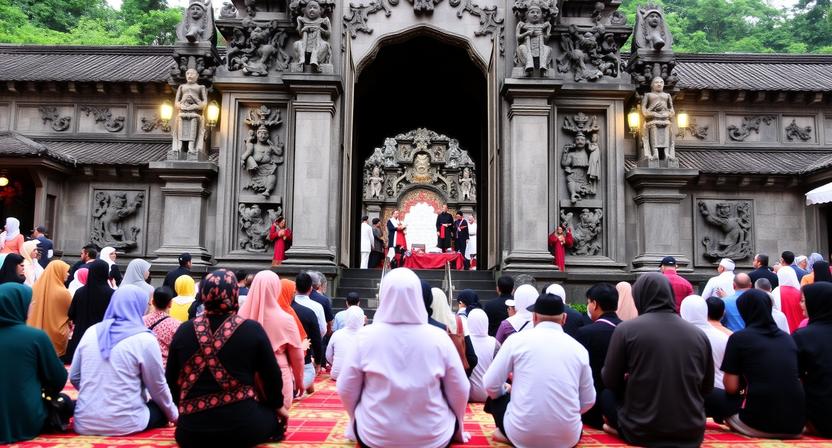
During her visit to Bali, Puspa reviewed key sites such as Uluwatu Temple, Garuda Wisnu Kencana Cultural Park, and Melasti Beach, which are popular for both tourism and religious visits. These sites are expected to see a significant rise in tourists during Eid al-Fitr, particularly devotees visiting Bali’s sacred temples for religious ceremonies and prayers. Improved safety protocols, including health checks, crowd management, and accessibility, were key points of focus in the inspection.
Ensuring Tourist Safety and Comfort
To handle the increase in visitors, especially during religious events at sacred sites, authorities have worked to implement various safety measures. For Uluwatu Temple, which attracts thousands of religious pilgrims, the management has prepared for a 30% to 50% increase in visitors during the Eid period. The temple has upgraded its visitor management systems, added more toilets, and improved waste management. Additionally, evacuation routes, safety points, and preventive measures, such as trimming tree branches, have been put in place to minimize risks and ensure the safety of pilgrims and tourists alike.
Weather preparedness is also a significant aspect of tourist safety in Bali, especially at open-air locations like Uluwatu, where strong winds and sudden weather changes can pose risks. Site managers are closely monitoring weather conditions to ensure the safety of visitors, particularly those participating in religious activities on cliffs and coastal areas.
Promoting Religious Tourism and Sustainable Travel
Bali’s religious tourism continues to be an essential component of the island’s tourism offerings. Visitors flock to Bali for its spiritual sites such as Uluwatu Temple, Besakih Temple, and Tanah Lot, among others. These temples not only hold cultural and spiritual significance but are also key to attracting international and domestic religious tourists seeking to connect with the island’s rich spiritual heritage.
To support religious tourism, the Tourism Department is working with local communities, religious organizations, and tourism businesses to ensure that religious practices are respected and that spiritual travelers are provided with a safe, comfortable environment to participate in traditional ceremonies. This focus on religious tourism will further contribute to Bali’s reputation as a spiritual destination, offering pilgrims and tourists a chance to experience Bali’s unique religious and cultural offerings.
Coordinated Efforts for a Safe and Enjoyable Experience
The Tourism Ministry has issued a circular to all regional governments, tourism businesses, and industry stakeholders, urging them to prioritize tourist safety, cleanliness, and service quality during the upcoming Eid al-Fitr period. The ministry’s efforts are aimed at ensuring that Bali’s tourism destinations are well-prepared to handle the surge in visitors while providing an exceptional experience for both leisure and religious tourists.
Local authorities, in collaboration with the Tourism Department, are implementing tourist safety protocols that align with global standards, ensuring that Bali remains a safe and welcoming destination. This includes improved emergency response systems, crowd control measures, and safe transport options for visitors traveling to and from religious sites.
Impact of Tourism on Bali’s Local Communities and Economy
As Eid al-Fitr approaches, the increase in tourism is expected to generate substantial economic benefits for Bali’s local communities. The religious tourism sector alone contributes to Bali’s socio-economic growth, with local businesses, craftspeople, and restaurants benefiting from the influx of tourists. By ensuring tourist safety and enhancing service quality, the Tourism Department aims to create a more sustainable tourism model that supports economic development while preserving Bali’s unique cultural and religious heritage.
The introduction of safety measures will also help mitigate any negative impacts that increased tourism can bring, such as overcrowding and environmental degradation. By ensuring a well-managed increase in visitor numbers, Bali can continue to offer both authentic and luxury tourism experiences, maintaining its status as one of Southeast Asia’s top destinations for both leisure and religious tourism.
Looking Ahead: A Sustainable Future for Bali’s Tourism
As Bali’s tourism sector continues to evolve, the focus on religious tourism and visitor safety will play a key role in its long-term success. By upgrading infrastructure, training staff, and ensuring sustainable practices, Bali is well-positioned to handle the growing demand for domestic tourism, particularly during peak periods like Eid al-Fitr.
The successful implementation of safety measures and tourism management strategies will ensure that Bali remains an attractive, safe, and culturally rich destination for all visitors. As religious and leisure tourism continue to grow in the region, Bali will increasingly be recognized for its ability to balance tourism growth with cultural preservation and community empowerment.
A Bright Future for Bali’s Religious Tourism
With Eid al-Fitr just around the corner, Bali is making crucial efforts to provide a safe and seamless experience for all tourists, especially those who are visiting the island for religious reasons. With the three factors of tourist safety, infrastructure, and responsible tourism, not only will the experience of the tourists improve, but the island of Bali will also witness the growth of tourism in the long term. With a keen focus on community-driven tourism, the island of Bali will flourish as a premier tourist destination for all kinds of tourists.