
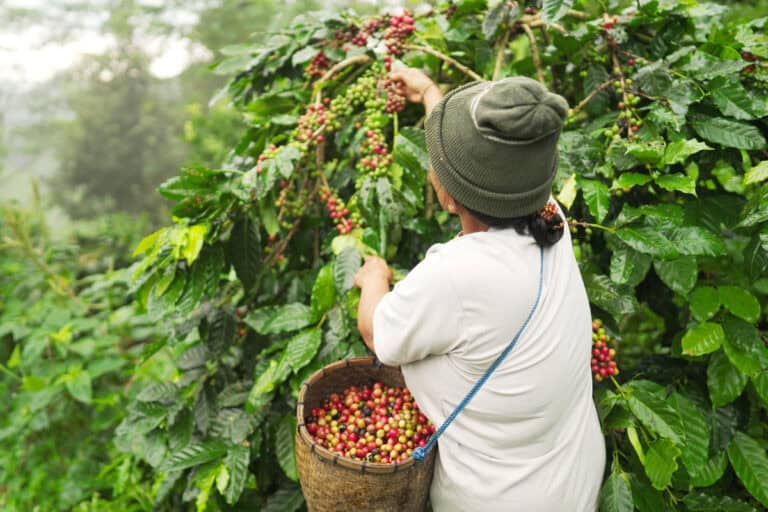
Indonesia has identified three key areas for tourism in 2026: gastronomy, maritime, and wellness tourism.
Across these three themes, Bali offers so much to tourists, from incredible spas to once-in-a-lifetime underwater encounters to multi-award-winning restaurants.
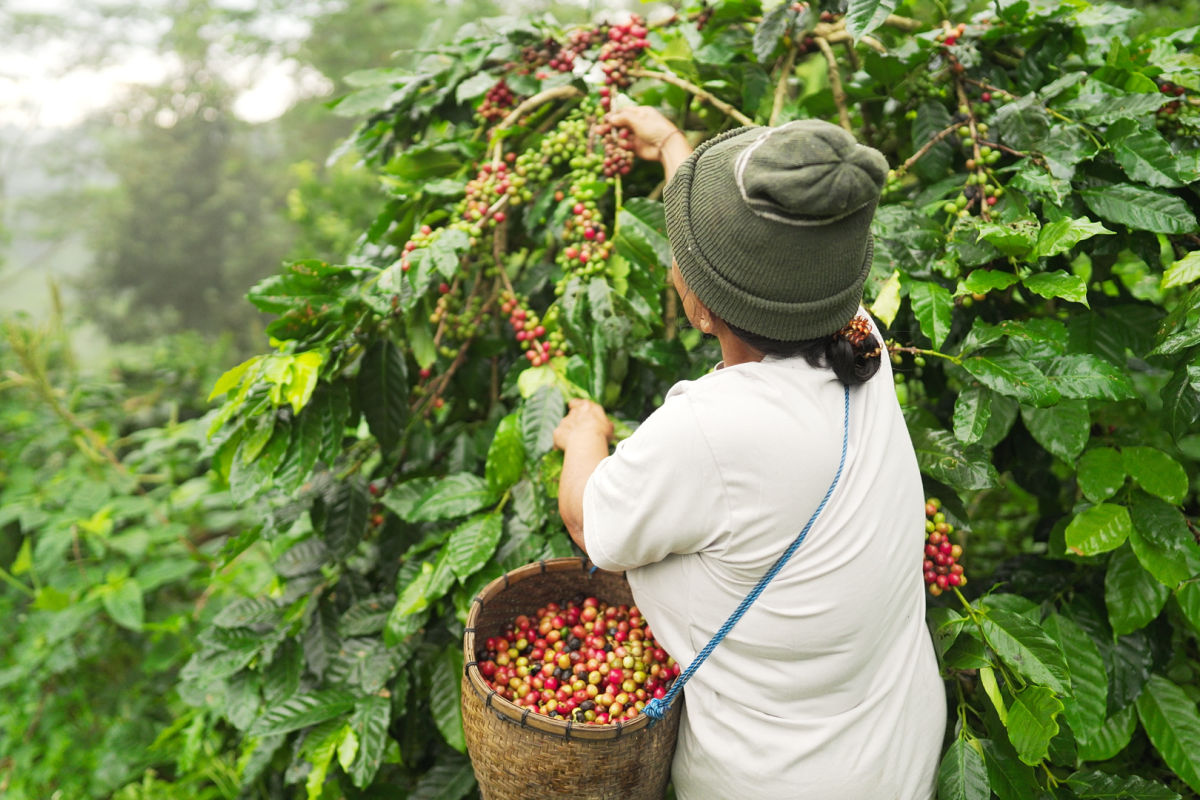
As Bali celebrated the Food, Hotel and Tourism Bali (FHTB) Exhibition this week, leaders are now set to work on new ways to promote organic farming and culinary tourism in a way that will benefit the land, local farmers, and, of course, food-obsessed tourists.
The Bali Provincial Government (Pemprov) has this week confirmed that it will be developing organic agricultural products to help take Bali to the next level as a culinary tourism destination.
Speaking to reporters this week, Head of the Bali Tourism Office (Dispar), I Wayan Sumarajaya, explained: “In order to realize culinary tourism, the Bali Provincial Government has been committed to developing organic agricultural products for the past few years.”
Sumarajaya explained how the provincial government will even be using legislation to encourage farmers to adopt organic growing as standard.
For our readers who super interested in the specifics, Bali Provincial Government has issued Bali Provincial Regulation Number 8 of 2019 concerning the Organic Farming System, Bali Governor Regulation Number 15 of 2021 as the implementation of the regulation, and Bali Governor Regulation Number 99 of 2018 concerning the Marketing and Utilization of Bali’s Local Agricultural, Fishery, and Industrial Products, all to help farmers shift to an organic growing model.
This inherently creates long-term benefits to both ecological and public health, through the reduction in use of harmful pesticides and herbicides that have been known to cause issues to human health and, in some cases, contain chemicals forever.
It’s not a simple switch; however, many of Bali’s farmers are already under huge amounts of pressure, and there are costs, economic and otherwise, to switching to an organic model.
Most of Bali’s farmers are independent smallholders, but in the long run, a mass adoption (or in fact return) to organic farming methods will bring huge benefits to local farmers.
With an increased investment in culinary tourism, there will also be growing market demand and the opportunity to charge more for produce.
Sumarajaya shared, “Many of our Balinese farmers are independently implementing organic farming systems because they realize the results have very high economic value.”
Noting the positive trend, Sumarajaya shared his optimism that as early as 2028, all rice fields in Bali will have switched to organic farming. “To date, we have achieved one encouraging achievement: 70 percent of rice fields in Bali are organic, and almost all horticultural crops, vegetables, and fruits in Bali are now organic.”
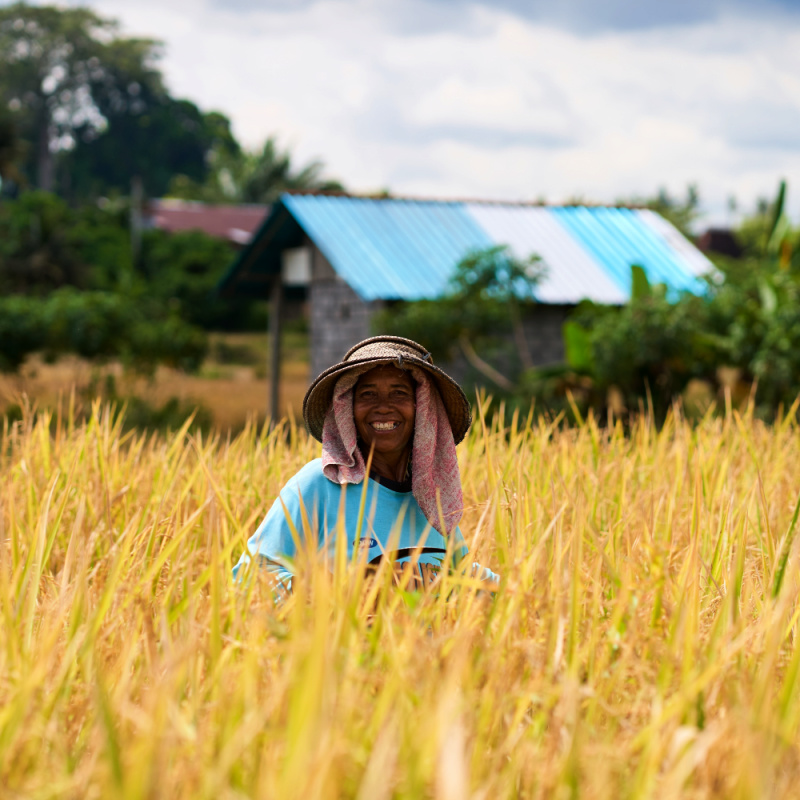
He explained how, in addition to promoting Bali as a culinary tourism destination, organic farming offers benefits such as producing healthy, high-quality, and high-value food, which can also increase the income of local farmers.
This method of food production also helps keep Bali’s environmental ecosystem clean and pollution-free, and preserves the soil and its diversity.
Sumarajaya noted, “This opens up huge opportunities for developing organic-based restaurants and culinary delights, which will further strengthen Bali’s tourism appeal.”
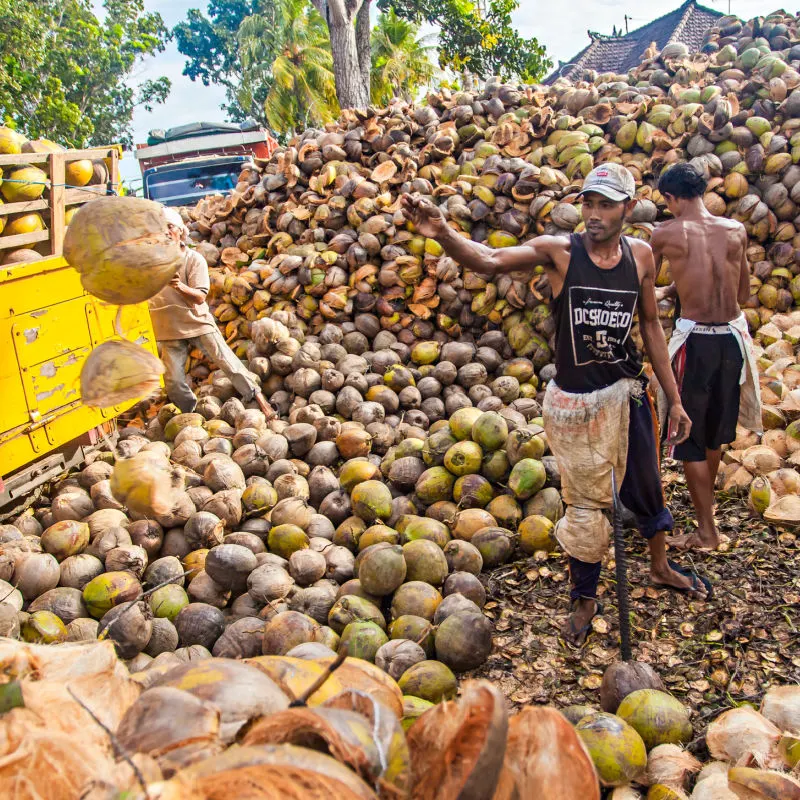
He concluded, “This is a strength and a mark of Bali’s identity in the eyes of the world, not only as a cultural tourism destination, but also as a center for sustainable tourism and an organic island.”
Tourists seeking to explore Bali’s culinary scene, which is filled with organic produce, can find many eateries to recommend.
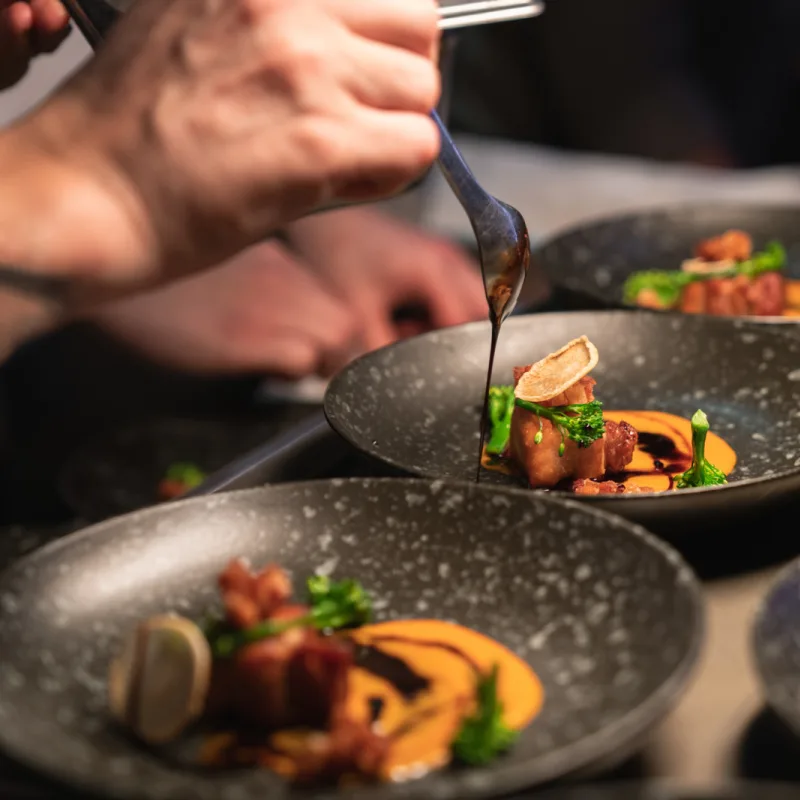
Locavore NXT is an absolute must, especially for all self-proclaimed foodies. Other top organic eateries include Alchemy, Bali Buda, Cafe Organic Seminyak, Mana Ubud, Moksa, Zest, Sayuri’s Healing Food, and Zula Vegetarian Paradise.