The government says selective dual nationality could bring home diaspora talent, as Bali faces tighter immigration enforcement and debate over the role of long-term expatriates.
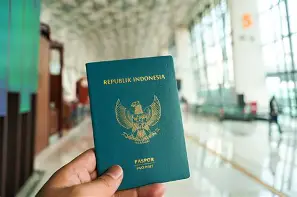
Indonesia prepares to amend its citizenship law to allow limited dual citizenship for individuals with exceptional skills considered strategically important to national development, says President Prabowo Subianto.
“Today, I convey to the Parliament that the Indonesian government recommends allowing dual citizenship for specific talents needed by the nation,” Prabowo said during his speech on the 2027 Draft State Budget and Financial Note at the Parliament Complex in Jakarta on Friday, August 14, 2026.
The proposed policy would target Indonesians living abroad with expertise in fields such as science, medicine, engineering, artificial intelligence, research, entrepreneurship, the arts and sports.
Prabowo said some members of the diaspora had given up Indonesian citizenship to pursue international careers or accommodate family circumstances.
The government argues that Indonesia should not force highly skilled citizens to choose between global opportunities and maintaining ties with their home country.
However, the proposed system would be selective rather than a blanket dual-nationality policy. Applicants would undergo rigorous screening, including integrity assessments, while their rights and obligations would be clearly defined with national security and strategic interests taken into account.
Law and Human Rights Minister Supratman Andi Agtas previously said on July 23, that the concept was being considered as part of revisions to the Citizenship Law, with the government seeking to attract diaspora members possessing strategic expertise.
Different climate for foreigners in Bali
The contrasting treatment highlights a broader question for Indonesia: how to maintain stronger control over foreign nationals while making it easier for people with valuable ties and expertise to maintain a connection with the country.
The government has established the Dharma Dewata Task Force to patrol areas with large foreign populations and strengthen oversight of immigration activities. The initiative is aimed in particular at preventing foreigners from misusing tourist or other residence permits for employment and commercial activities.
“The primary objective of this policy is to minimise the misuse of residence permits, such as using holiday or tourist visas for employment or commercial purposes,” Felucia Sengky Ratna, head of the Bali Regional Office of the Directorate General of Immigration, said.
Between January and June 2026, Indonesian immigration authorities deported 342 foreign nationals from 60 countries for violations including overstaying visas, misusing residence permits, disrupting public order and breaching other laws. Authorities stressed that enforcement was focused on misuse of residence permits rather than specific professions.
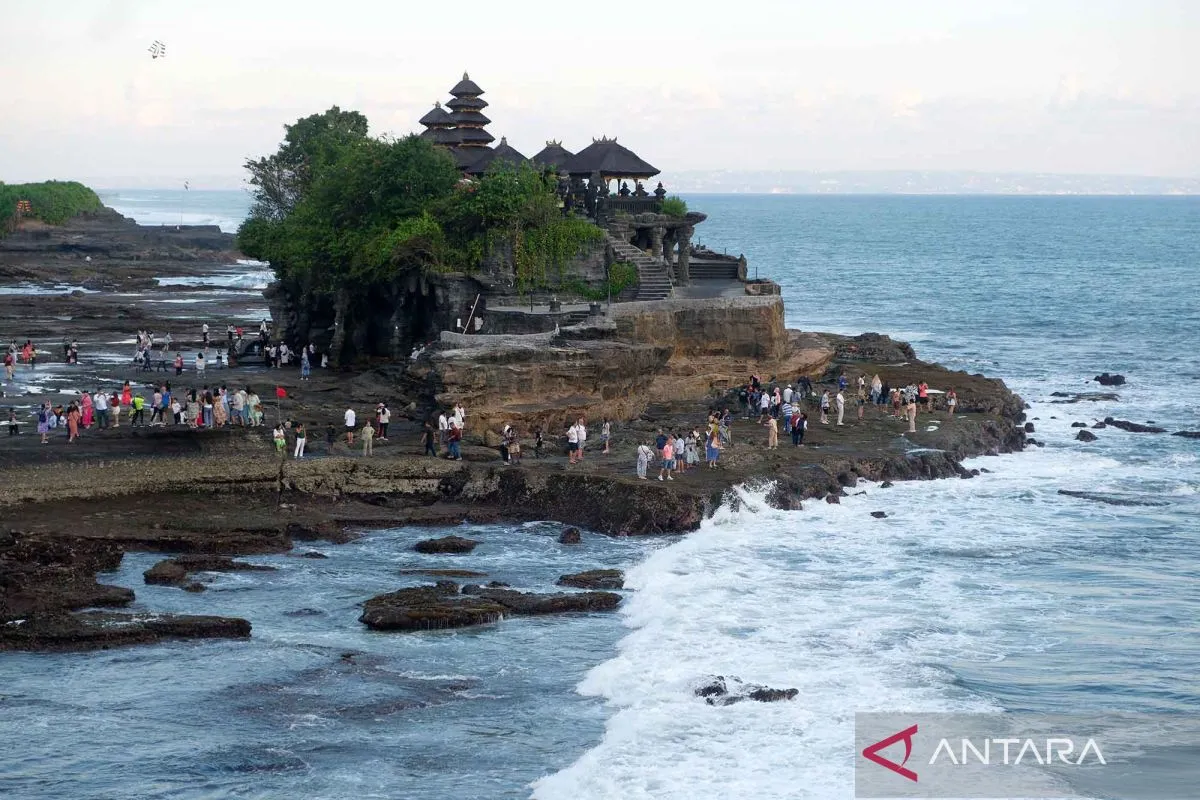
The tougher approach has particular relevance for Bali, where long-term expatriates, mixed-nationality families, entrepreneurs and foreign content creators have become part of the island’s tourism economy.
Long-term expats seek clearer rules
Australian business owner Janet Deneefe, who has lived in Bali for 42 years, supports stronger action against foreigners who misused their visas but argues enforcements should distinguish genuine exploitation from legitimate enthusiasm for the island.“The crackdown needs to distinguish between genuine exploitation and genuine enthusiasm which is a harder line to draw than it sounds,” DeNeefe said.
Her perspective highlights the distinction between short-term visitors operating in legal gray areas and established foreign residents who have spent decades building businesses and communities in Indonesia.
The challenge will be defining who qualifies for limited dual citizenship while maintaining clear rules for foreign residents and ensuring that tighter immigration enforcement does not discourage legitimate long-term contributors to Indonesia’s economy and society.