
Beach safety is a top priority in Bali right now. With the long school holidays happening, thousands more people are visiting the beaches.
It is also a full moon, which typically brings tidal swells, higher wave heights, and strong undercurrents, all of which pose a risk to beachgoers.
Speaking to reporters this week, the Head of the Badung Lifeguard Kuta Unit, Wayan Somer, confirmed that increased patrols are being conducted along Jerman Beach and Mengening Beach, in addition to the full-time lifeguard stations in the Badung Regency area.
He confirmed that staff are divided into northern and southern zones to ensure the entire coastal area remains monitored. He noted that despite limitations on staffing, surveillance is being maximized through beach patrols and providing warnings to tourists and residents who are enjoying the coastline.
Somer told reporters, “As long as there is a high wave warning in place over the next few days, we urge all members of the public, tourists, and beach users to increase their vigilance when conducting activities in coastal areas.”
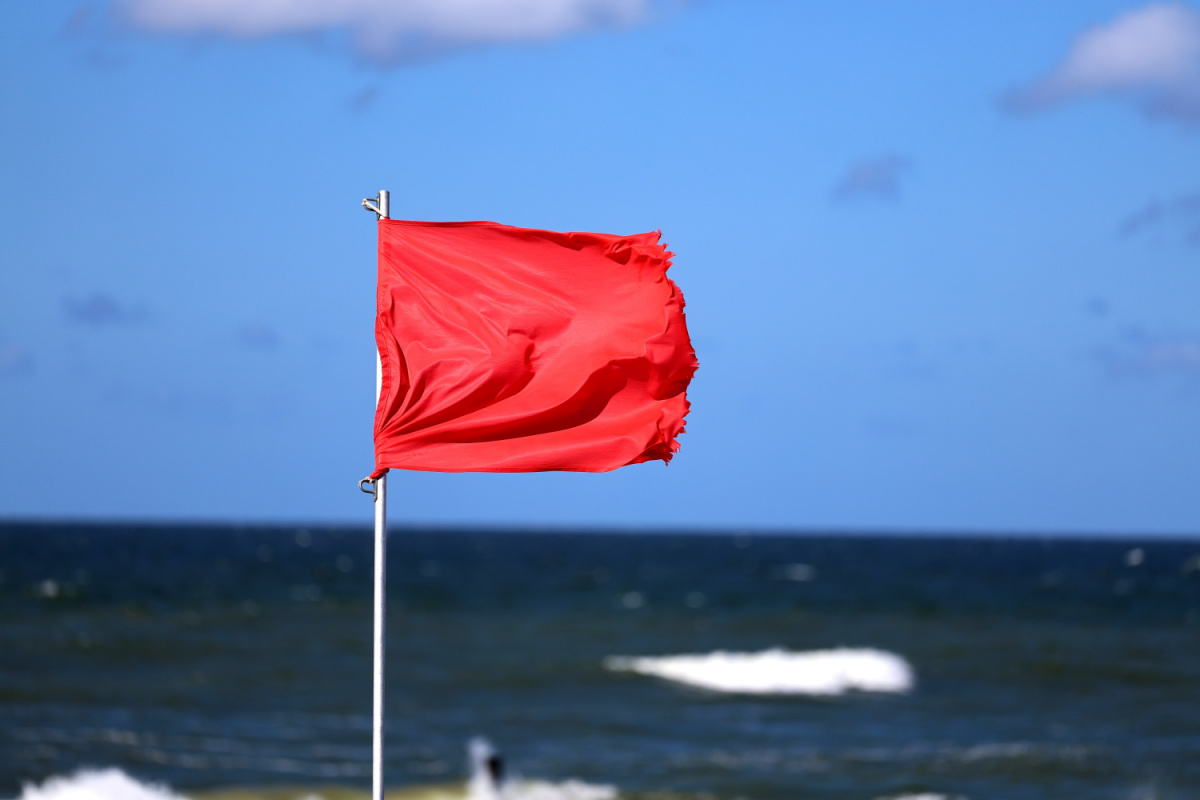
He reiterated that beach visitor safety is a priority. Somer noted that tourists are asked not to swim in areas marked with red flags or designated as danger zones. Visitors are advised to swim only in areas marked with red and yellow flags and supervised by lifeguards.
He added that in addition to obeying safety signs, tourists are also asked to follow the instructions of the lifeguards on duty, who are responding to and communicating the situation on the ground on a minute-by-minute basis. Parents bringing children to the beach are asked to supervise them closely, as visitor numbers increase during school holidays.
Somer explained, “If an emergency occurs or you need help while at sea, immediately wave your hand so that officers can immediately identify you and carry out a rescue” Lifeguards will be working around the clock, but the beach patrols are focused on the afternoon to evening time as the number of beach visitors typically peaks around this time, especially during the June-July school holidays.
Somer added, “What’s clear is that July and August are the big wave season. We continue to monitor currents and winds as a basis for conducting patrols.”
The updates about increased beach safety patrols come just days after a tragedy took place over on the Gianyar Coast, close to Keramas Beach.
A 48-year-old local woman has lost her life after being swept out to sea by extreme waves on Wednesday afternoon.
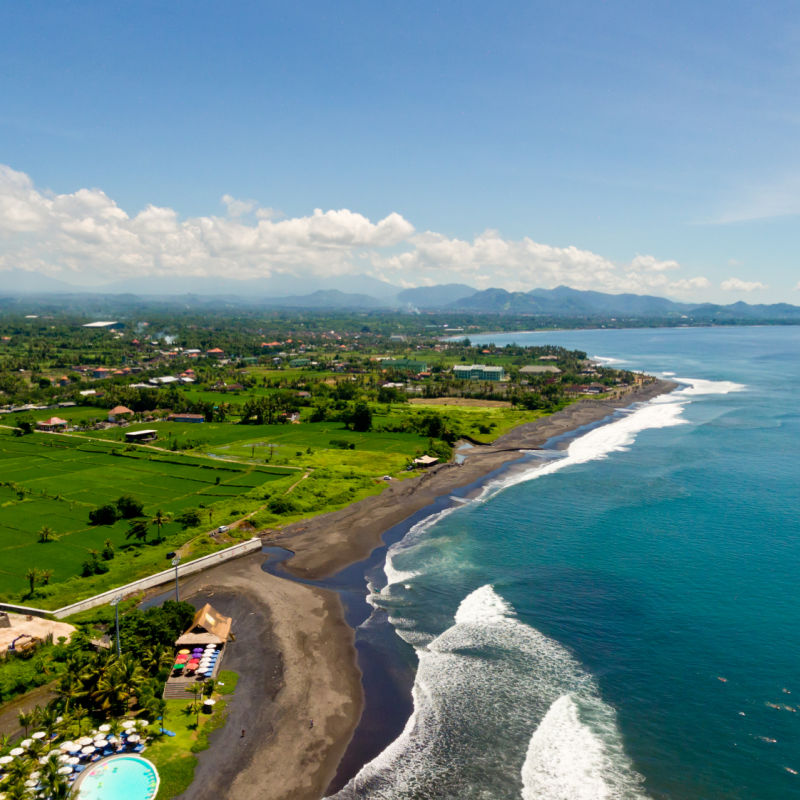
The Head of the Gianyar Police Water Police, AKP I Gede Budarasa, confirmed that the local woman was suspected of being swept away by the current in the late morning before finally being found at 3 pm in the waters of Puas Beach, Keramas Village, by a tourist who was out in the water surfing.
She had been visiting the beach with her husband and had been 15m from the shoreline when the tidal swell surged and pulled her out to sea in a matter of seconds.
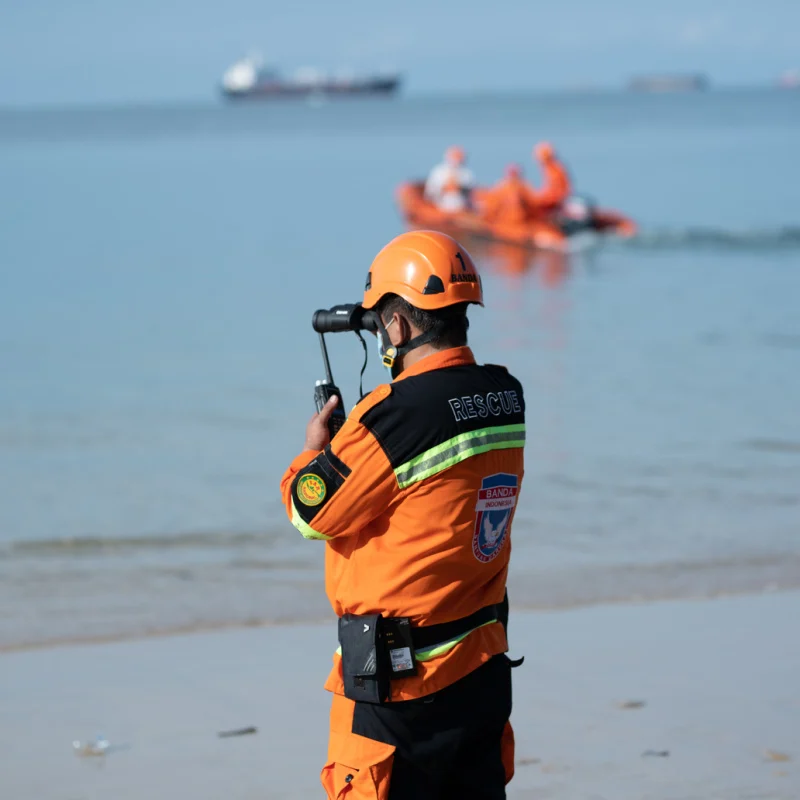
With more extreme wave warnings in place from the Bali Meteorology, Climatology, and Geophysics Agency in the coming days, visitors must take a particularly risk-averse approach when visiting Bali’s top beaches.
It is advisable to visit beaches where lifeguards are on duty, including Kuta, Legian, and Seminyak.
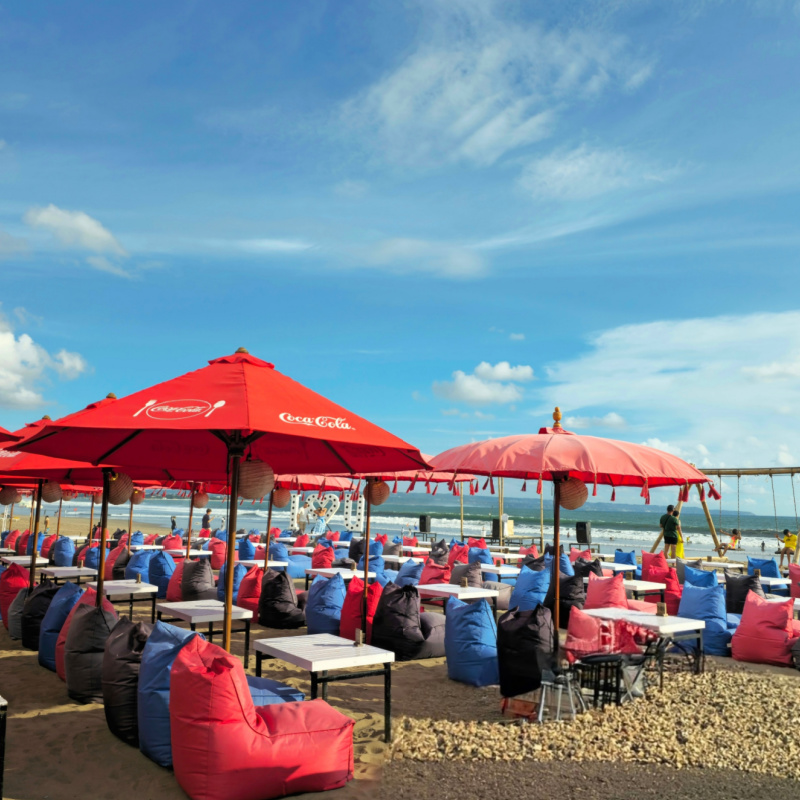
At beaches that do not have a flag system or lifeguards on duty, it is important to check with local community members and beach business staff (e.g., surf instructors and wait staff) if it is safe to swim.
It is important to note that many of Bali’s beaches are no-swim zones. This includes world-famous beaches like Kelingking Beach and Diamond Beach in Nusa Penida.