
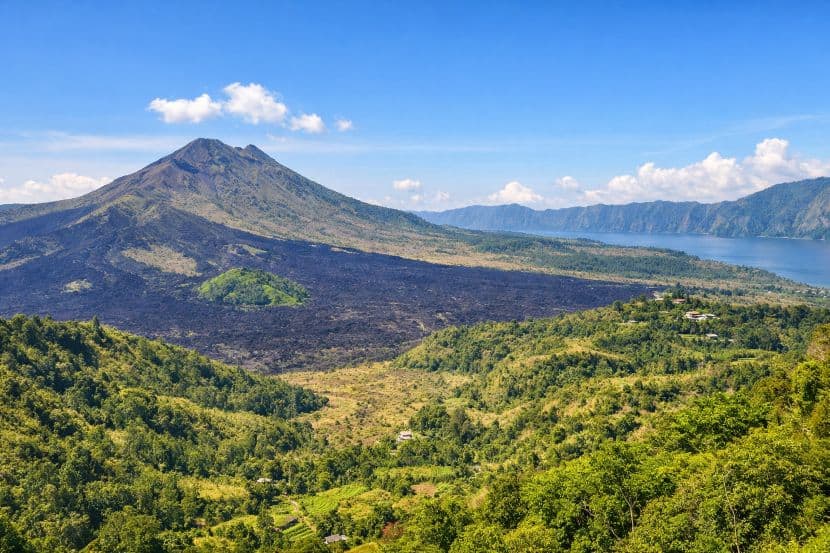

Bali, one of the world’s most sought-after travel destinations, is contemplating the implementation of a pay-per-destination fee system for tourists visiting popular attractions. This proposal, aimed at supporting the island’s sustainability efforts, follows the success of existing entrance fees introduced at locations like Kintamani and Nusa Penida. As Bali continues to face challenges related to mass tourism, the fees are expected to generate much-needed funds for the conservation of its environment and enhancement of its tourism infrastructure.
Bali’s tourism sector has long been a major contributor to the island’s economy, drawing millions of visitors every year. Yet, the surge in tourists has placed significant pressure on local communities and natural resources. Bali’s government has recognised the need for a sustainable solution to preserve the island’s beauty, culture, and heritage for future generations. With this in mind, local authorities have explored expanding entrance fees to other popular destinations across the island.
Currently, fees at places such as Kintamani and Nusa Penida range from IDR 25,000 to IDR 50,000 per visitor, depending on the site. These charges, while relatively modest, help fund maintenance and infrastructure projects in areas where tourism has led to environmental strain. Kintamani, famous for its stunning views of Mount Batur, introduced the fee to assist in the upkeep of its trails and viewpoints, while Nusa Penida, an island off Bali’s southeast coast, implemented similar charges to manage tourism-related impacts on its ecosystems.
However, these charges have sparked debates within Bali’s tourism community. Inda Trimafo Yudha, Chair of the Indonesian Recreational Park Business Association (PUTRI) Bali, raised concerns that extending destination-specific fees to more locations could harm the island’s appeal. Yudha explained that Bali’s tourism industry must strike a balance between generating funds for sustainability and maintaining its attractiveness as an affordable destination. Excessive charges could potentially lead to negative perceptions among visitors and reduce the overall number of tourists, especially in the current economic climate where many travelers are more budget-conscious.
Tourism experts emphasise that any additional fees must be transparent and used for tangible improvements in local infrastructure, including better waste management, road maintenance, and conservation efforts. Without clear communication about how the fees are being spent, there is a risk that visitors may feel the charges are simply an attempt to generate more revenue without addressing the underlying issues caused by mass tourism. This could ultimately damage Bali’s reputation as a world-class tourist destination.
Supporters of the pay-per-destination fee model argue that such measures are essential for ensuring that Bali’s natural attractions and cultural sites remain intact for future generations. With its dense tourist population, Bali is facing increasing pressure on its environment, including the degradation of its coral reefs, deforestation, and pollution. The fees collected from these charges could provide the necessary financial resources to implement sustainable tourism practices, fund environmental conservation projects, and support local communities who depend on tourism for their livelihoods.
Furthermore, the Ministry of Tourism and Creative Economy in Indonesia has expressed support for Bali’s fee system, aligning with the national goal to promote sustainable tourism throughout the country. Other destinations around the world, such as the Galápagos Islands and Machu Picchu, have implemented similar fee structures to protect their unique ecosystems and heritage sites. Bali could benefit from adopting this model, ensuring that tourism revenue directly contributes to the preservation of the island’s iconic attractions.
Nevertheless, Bali’s government must tread carefully when rolling out these new charges. While it is clear that sustainability is key to maintaining the island’s long-term tourism potential, the implementation of additional fees should be done with careful planning and public consultation. Clear guidelines on how funds will be allocated and how tourists can expect to benefit will be crucial for the success of this initiative.
For now, Bali’s tourism industry remains at a crossroads, needing to balance its position as a global travel hub with the growing demand for responsible and sustainable tourism practices. As the debate on pay-per-destination fees continues, the island’s stakeholders will have to collaborate closely to develop a system that protects Bali’s environment while fostering a thriving and welcoming tourism industry.
Bali’s proposal to introduce pay-per-destination fees represents a bold step towards sustainable tourism, offering a potential solution to the environmental challenges caused by mass tourism. However, careful planning and transparency will be essential to ensure that these fees enhance the island’s appeal rather than detract from it. As Bali adapts to the evolving demands of global tourism, it will need to strike a delicate balance between preservation and progress.